Facebook Ads for Spa Owners: A GTA Meta Ads Guide
A practical guide to Facebook ads for spa businesses in the GTA: campaign setup, targeting, creative, budget, and how to turn clicks into booked appointments.
Facebook ads for a spa work best when they promote one clear, low-risk offer to a tightly targeted local audience and send clicks straight to a booking page. For GTA spas, Meta ads (Facebook and Instagram) are a fast way to fill quiet hours, but only if your offer, creative, and follow-up are dialled in first. This guide walks through how to set them up so ad spend turns into booked appointments, not just likes.
Why Facebook ads work for spas
Spa buying is emotional and visual, and Meta's platforms are built for exactly that. Facebook and Instagram let you show a calm room, a satisfying treatment clip, or a before-and-after to people who live minutes from your door. Because you can target by location, age, interests, and behaviour, a small budget reaches the right neighbourhood instead of the whole city.
The catch: most spa ad budgets get wasted on vague "come visit us" campaigns. Ads work when they promote something specific a first-timer can say yes to today.
Start with one irresistible offer
Before you touch Ads Manager, decide what you're advertising. The best-performing spa ads lead with a single, easy-to-understand offer:
- A first-visit intro on your signature or newest treatment.
- A seasonal or gift-card promotion around holidays.
- A new service you want to fill (head spa, a new facial, a package).
Set up your campaign the right way
Inside Meta Ads Manager, structure matters more than clever settings.
- Objective: Choose a conversion or leads objective if your booking page can track it, not just "boost post." Boosting is easy but rarely optimizes for real bookings.
- Location targeting: Set a radius around your spa, for many GTA spas, targeting Markham, Richmond Hill, North York, or Scarborough specifically beats a broad "Toronto" blanket.
- Audience: Layer location with relevant interests and age ranges that match your real clientele. Keep it focused; a smaller, relevant audience usually converts better.
- Placements: Let Meta run both Facebook and Instagram feeds and Reels, then review which delivers.
Creative that stops the scroll
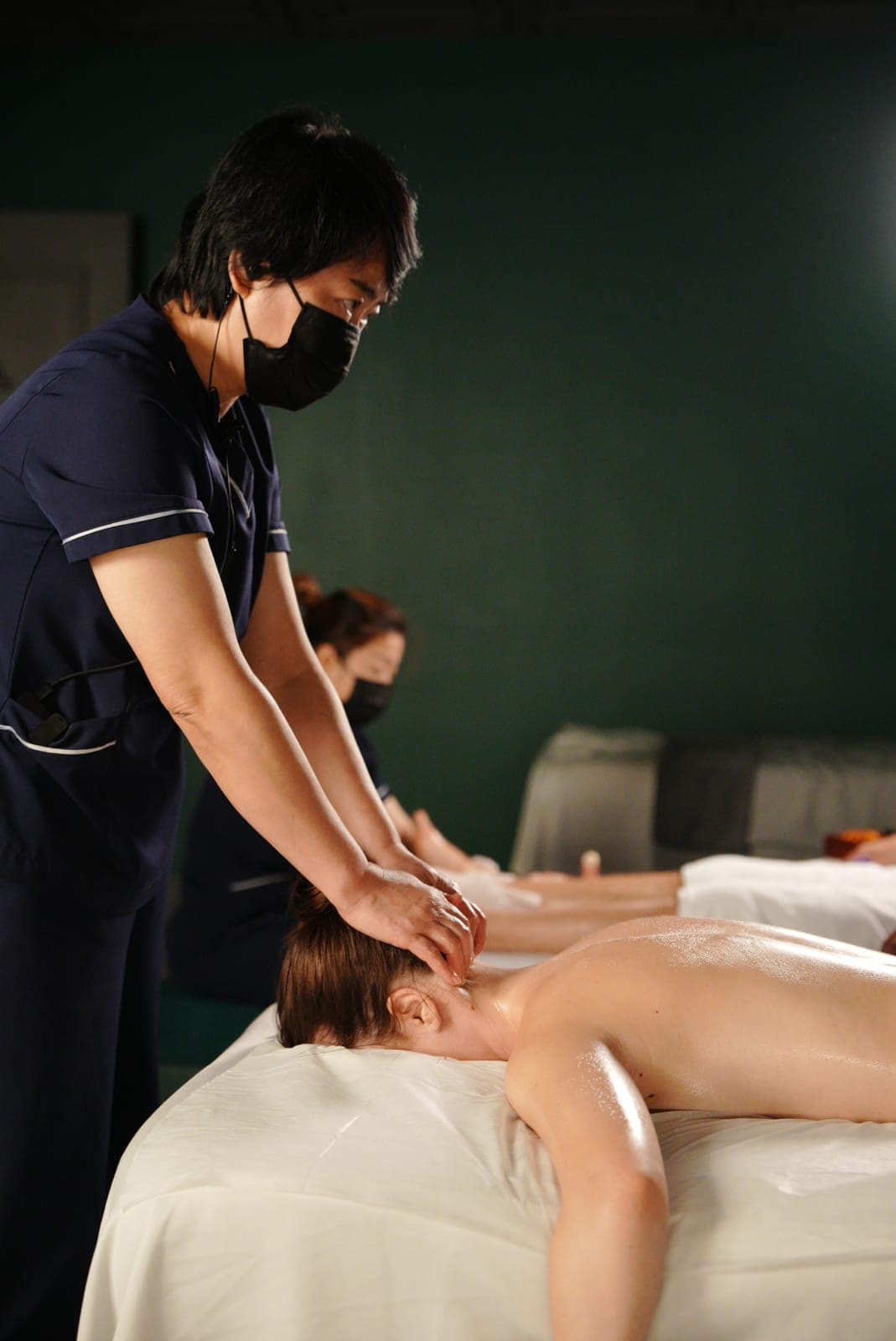
Your creative is the ad. Static, stocky images underperform; authentic, in-room content wins.
- Lead with short video: the treatment in motion, the room, the relaxed client.
- Show a real face and a real result, not a generic model.
- Put your offer and a clear "Book now" in the first line of copy.
- Test two or three variations so you learn what your audience responds to instead of guessing.
Retargeting: the highest-return play
Most people won't book the first time they see your ad. Retargeting shows a follow-up ad to people who visited your site, engaged with your posts, or watched your video but didn't book. Because these people already know you, retargeting is usually the most cost-effective part of a spa's Meta strategy. Install the Meta pixel on your site so you can build these audiences.
Send clicks to a booking page, not your homepage
An ad is only as good as where it lands. Sending paid clicks to a cluttered homepage loses people. Send them to a focused page that restates the offer and lets them book in a tap. This is where a lot of spa ad budgets quietly leak: great ad, weak landing experience. Building that ad-to-booking flow end to end is part of our services.
Not sure whether ads are even the right first move? Our comparison of Google Ads vs SEO helps you decide where your first dollars should go.
What to spend and how to read results
Start small enough to learn without pressure, run each test long enough to gather real data before judging it, and watch cost per booking rather than clicks or likes. Turn off what isn't converting, put more behind what is. The goal isn't cheap clicks. It's booked, profitable appointments.
Want a second set of eyes on your setup? Grab a free marketing audit or book a strategy call and we'll map where your ad budget will work hardest.
Frequently Asked Questions
How much should a spa budget for Facebook ads?
There's no universal number: it depends on your market, offer, and margins. The smarter approach is to start with a budget small enough to test without strain, run it long enough to gather real data, and judge results by cost per booked appointment rather than clicks. Once you find an offer and audience that convert, scale spend behind what's already working.
Are Facebook ads or Instagram ads better for a spa?
You don't have to choose: a Meta campaign can run across both Facebook and Instagram feeds and Reels from one setup. Let the campaign distribute, then review which placement delivers bookings for your specific spa. Instagram and Reels tend to shine for highly visual treatments, while Facebook can reach a slightly older local audience.
Why are my spa's Facebook ads getting clicks but no bookings?
Usually the problem is after the click. If ads send people to a cluttered homepage instead of a focused booking page, or your offer is vague, interested people drop off. Check that your ad promotes one clear offer, that the landing page restates it, and that booking takes only a tap or two. Retargeting those visitors often recovers bookings they didn't complete the first time.
Do I need the Meta pixel to run spa ads?
It's strongly recommended. The Meta pixel lets you track which ads lead to real actions on your site and build retargeting audiences of people who engaged but didn't book. Without it, you're optimizing blind and missing the most cost-effective part of Meta advertising, following up with warm prospects.