Xiaohongshu Marketing Toronto: A Practical RED Guide
How GTA spas, restaurants, and beauty brands can reach Chinese-Canadian customers on Xiaohongshu (RED): content types, KOL seeding, and realistic expectations.
What Xiaohongshu marketing in Toronto actually means
Xiaohongshu marketing in Toronto is the practice of building a presence on Xiaohongshu (小红书, also called RED) so your business shows up when Chinese-Canadian shoppers search for places to eat, relax, or get pampered. It is a search-and-discovery app first, a social feed second, which makes it a powerful, underused channel for GTA spas, restaurants, and beauty brands.
What Xiaohongshu (RED) is
Xiaohongshu is a Chinese lifestyle platform where users post "notes" (笔记), a cover image or short video plus a caption, reviewing products, food, treatments, and experiences. Think of it as the place where Instagram's visuals meet a review site's intent. Users don't just scroll; they actively search terms like "多伦多按摩" (Toronto massage) or "Markham 火锅" before deciding where to spend money. That search behaviour is why a well-tended RED account keeps working long after a post goes up.
For Chinese-speaking newcomers and established Chinese-Canadian families across the GTA (Markham, Richmond Hill, Scarborough, North York, downtown Toronto) RED is often the first place they check before trying a business. If you're invisible there, you're invisible to a large, high-intent local audience.
Why GTA businesses should be on it
The Greater Toronto Area has one of the largest Chinese-Canadian communities outside of Asia, and a big share of them use Xiaohongshu daily. A spa, restaurant, nail salon, or med-aesthetics clinic that shows up with authentic, well-shot notes earns trust in a way English-only Google or Instagram marketing cannot.
Three reasons it works especially well for our client types:
- High purchase intent. People search RED with a decision in mind. A strong note can be the last thing they see before they book or walk in.
- Word-of-mouth at scale. RED culture runs on honest sharing ("种草," planting the desire to buy). One genuine review from a real customer or creator carries weight.
- Low competition locally. Many GTA businesses still ignore RED, so there's room to become the go-to name in your niche and neighbourhood.
How to start
1. Set up a business account properly
Register a business account, use your real business name, list your GTA location, and write a clear bio in Simplified Chinese. Consistency with your other listings matters: the same name, address, and phone you use everywhere else. If you're also working on Google visibility, see our local SEO for spas & restaurants guide so both channels reinforce each other.
2. Choose content types that fit RED
RED rewards a helpful, personal tone over polished ads. Formats that consistently perform for GTA spas and restaurants:
- The honest experience note. A first-person walkthrough: "I tried this Markham spa's 90-minute signature massage." Real photos, real detail.
- Before/after and results. For facials, nails, lashes, and aesthetics, clear before/after images are highly shareable (stay truthful, no altered results).
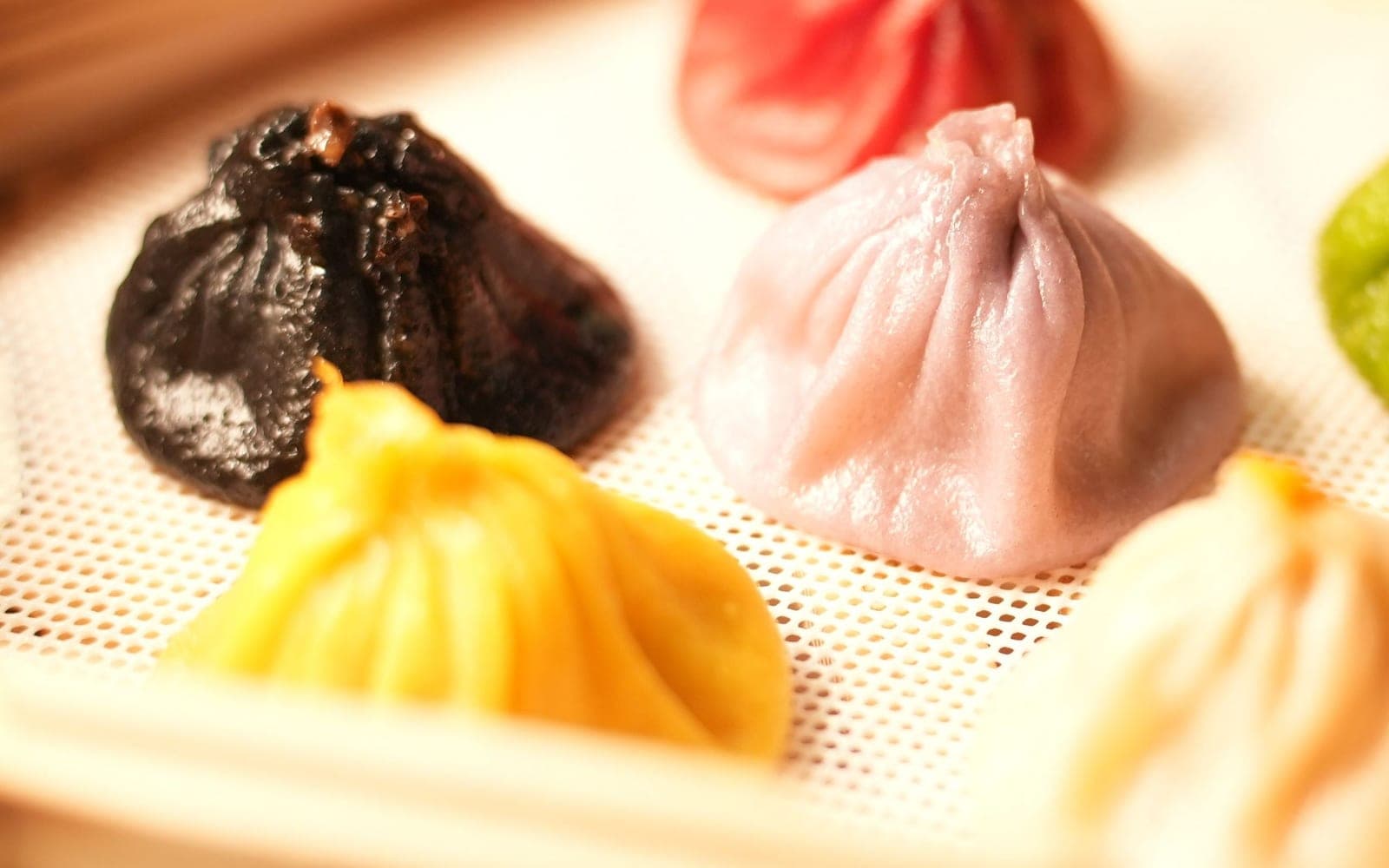
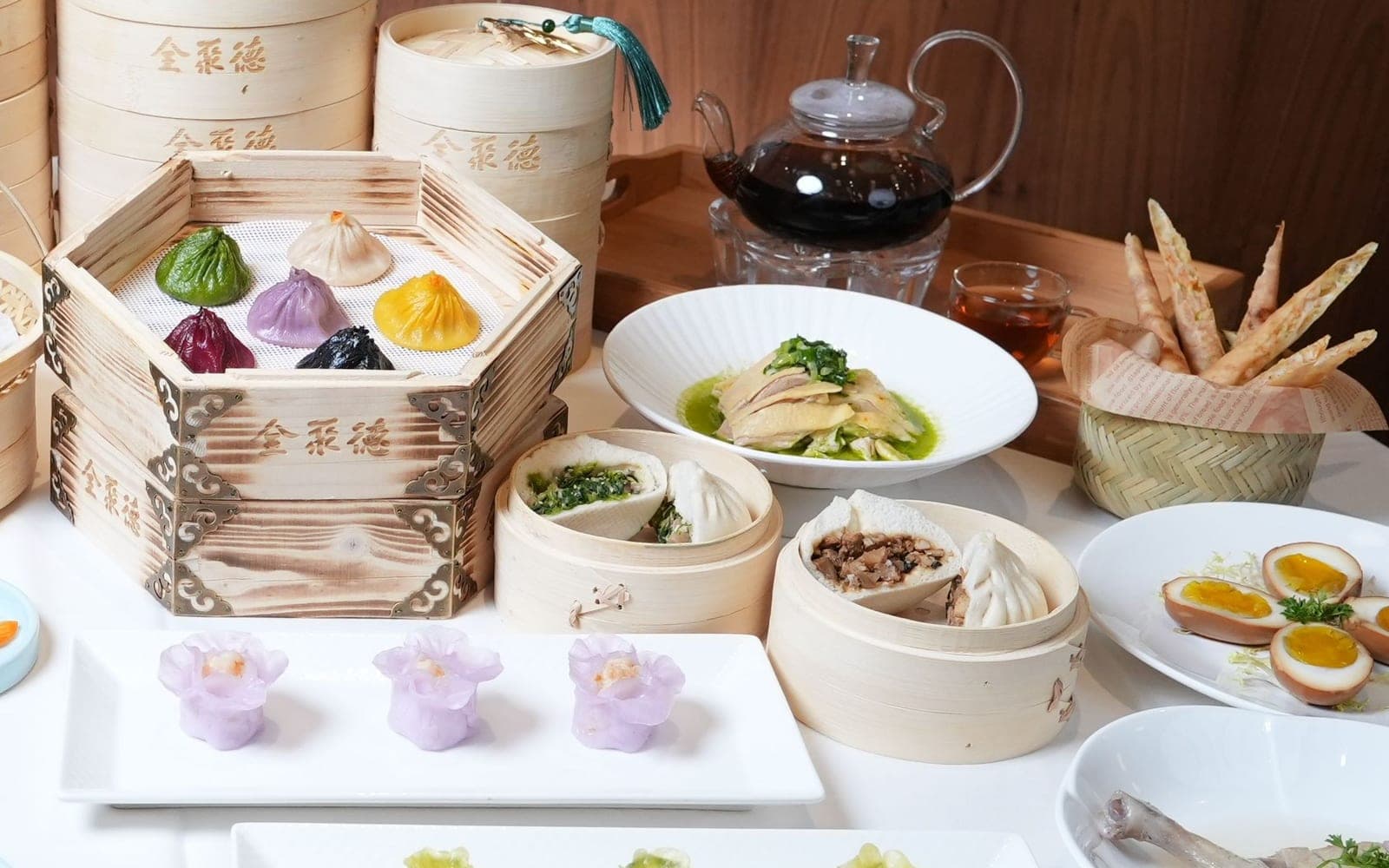
- Menu and dish highlights. For restaurants, close-up food shots with prices and what to order.
- Guides and lists. "5 quiet spas in Richmond Hill for a weekday reset" or "Where to eat near Pacific Mall." These get saved and re-shared.
- Behind-the-scenes. Your therapist's technique, your kitchen prep, your space. It humanizes the brand.
3. Seed with KOLs and KOCs
RED's engine is its creators. Two tiers to know:
- KOL (Key Opinion Leader): larger, established influencers.
- KOC (Key Opinion Consumer): smaller, everyday creators whose reviews often feel more trustworthy and cost far less.
4. Build a notes cadence
Post consistently from your own account too: a steady rhythm of experience notes, guides, and customer highlights (with permission). Reply to comments, answer questions, and pin your best notes. RED's search surfaces older notes for a long time, so every good post is a compounding asset.
Realistic expectations
RED is a slow-build, trust-first channel, not a switch you flip for instant bookings. Expect the first weeks to be about establishing a credible account and a base of genuine notes. Traction usually comes from accumulated authentic content and creator seeding over months, not from a single viral post. Avoid buying fake engagement; RED users and the platform both punish it. The businesses that win are the ones that treat RED as a real relationship with a real community.
Not sure whether RED fits your customer base? A free marketing audit will tell you honestly where your Chinese-Canadian audience already is and where the effort pays off. When you're ready to build it out, explore our services or book a free strategy call.
Frequently Asked Questions
Do I need to speak Chinese to use Xiaohongshu for my business?
It helps, but you don't have to do it yourself. Notes and captions should be in Simplified Chinese to reach the audience, so most GTA businesses either have a bilingual team member handle it or work with a partner who writes and manages RED content for them.
Is Xiaohongshu only worth it if I'm in Markham or Richmond Hill?
No. Those areas have dense Chinese-Canadian communities, but RED users search across the whole GTA: downtown Toronto, Scarborough, North York, Mississauga. What matters is that your customers use the app, not your exact postal code.
How is RED different from Instagram for my spa or restaurant?
Instagram is mostly feed-based discovery; RED is search-driven. People actively look up categories and neighbourhoods before buying, so a good note can reach someone at the exact moment they're deciding where to go, and keep reaching people months later.
Should I pay big influencers or use smaller creators?
For most local spas and restaurants, smaller local creators (KOCs) give better value and feel more authentic than large influencers. Their reviews read like genuine word-of-mouth, and their audiences are more likely to actually be in the GTA.